
Contact Us
info@revolutionevasia.comJoin our Mailing list
 Chat With Us
By Mir Moomin • Thu Dec 04 2025
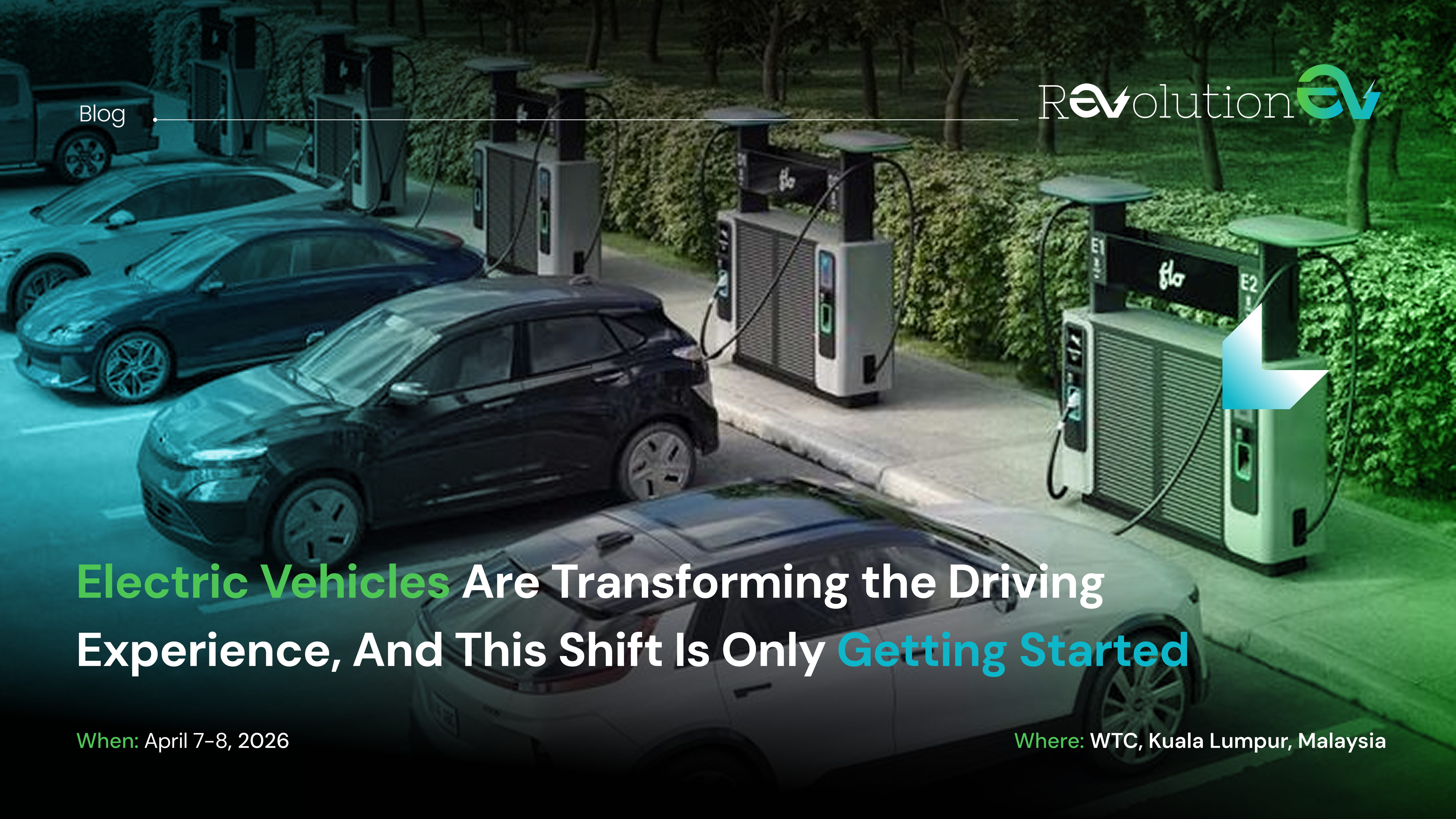
Electric vehicles aren’t just replacing traditional petrol or diesel cars, they’re completely reshaping the driving experience. What once looked like a niche experiment for early adopters has turned into a global movement, changing how people drive, how cities function, and how automakers build the cars of the future. The appeal goes far beyond “no fuel needed.” EVs offer a smoother, quieter, and more refined experience that feels instantly modern. Without the vibration of an engine, without gear shifts, and without the usual mechanical noise, the cabin becomes calm and almost serene. And the moment you tap the accelerator, the power responds immediately.
That instant torque makes city traffic effortless and gives highway driving a clean, uninterrupted flow. It’s driving in its most simplified, polished form.
What really pushes EVs into a new category is the technology behind them. Unlike older cars built largely around mechanical components, electric vehicles function more like smart devices on wheels. Most models come with large digital displays, smartphone-style interfaces, and app-based controls that let you monitor charging, lock or unlock the car, or even pre-cool the cabin. Over-the-air software updates keep improving the vehicle without needing a visit to the service center, and intelligent driver-assist systems make commutes safer and easier. You aren’t just buying a car, you’re buying a constantly evolving tech platform. This shift is one of the biggest reasons younger buyers and tech-savvy drivers are embracing EVs as their default choice.
Then comes the economics, which is where EVs win hard. Electric cars cut out many of the biggest recurring expenses of combustion vehicles. There’s no fuel bill, no engine oil, and far fewer moving parts that can wear out. For daily commuting, the savings are significant; charging costs are a fraction of what most people spend on petrol. Maintenance becomes an occasional task rather than a constant cycle of service visits. For many owners, the reduction in running costs becomes noticeable within the first few months. And as battery technology improves and charging becomes faster, the long-term savings only increase.
Charging, once the biggest fear, is quickly becoming part of everyday routine. Home charging works like plugging in your phone at night. Public charging stations are spreading across highways, shopping centers, offices, and residential areas. Fast-charging options are getting quicker every year, shrinking downtime and making long-distance travel more practical than ever. What used to feel like a limitation is now turning into the new normal.
Beyond convenience and cost, EVs make a real difference to the environment. They produce zero tailpipe emissions, helping reduce air pollution in crowded cities. Their quieter operation lowers noise pollution, making roads more pleasant for both drivers and pedestrians. With governments worldwide pushing for cleaner mobility, EVs are becoming an essential part of building healthier, more sustainable urban environments.
The conclusion is simple: the driving experience has changed for good. Electric vehicles deliver smoother performance, smarter technology, lower running costs, and a cleaner footprint. They aren’t the future, they’re the new standard, and the shift is only gaining momentum.